American Mama Svg: A Designer’s Embroidery Review
As a designer who spends more time analyzing stitch paths than browsing social media, I approach every new digital embroidery file with a mix of curiosity and skepticism. We have all been there: downloading a cute graphic that looks perfect on screen, only to find it turns into a tangled mess of thread once it hits the hoop. That is why I took a close look at the American Mama Svg to see if it holds up under the needle. This isn’t just about whether the lines are clean; it is about whether this design can carry the weight of a real handmade product in a competitive market.
First Impressions: Mood and Visual Personality
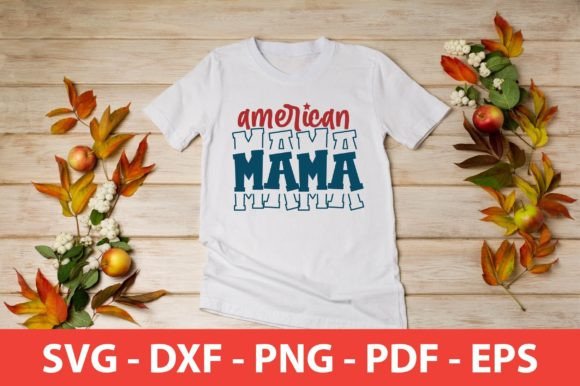
The first thing that strikes you about the American Mama Svg is its confident, patriotic warmth. It does not scream for attention with overly complex details or chaotic elements. Instead, it offers a balanced layout that feels both modern and timeless. For those of us in the Crafts and Graphics space, we know that simplicity often translates better to fabric than complexity does. The design carries a mood of pride and comfort, making it an instant fit for casual, everyday wear rather than formal attire.
Visually, the shapes appear solid and well-defined. This is crucial because when we move from a vector image to a physical embroidery project, thin lines can easily get lost or break during stitching. The boldness of this design suggests it was created with visibility in mind. It feels like a design that respects the medium of embroidery, acknowledging that thread has texture and volume, unlike flat ink on paper.
Real-World Application: The Tote Bag Test
To truly evaluate a design, you have to imagine it on a product. I visualized this design stitched onto a heavy canvas tote bag design. This is a popular item for small shop owners and Etsy sellers looking for practical, high-margin items. On a neutral beige or olive canvas, the American Mama Svg would pop beautifully. The sturdy nature of canvas supports the weight of the stitches, preventing the fabric from puckering, which is a common issue with lighter materials.
I also considered this for sweatshirt embroidery. A crewneck sweatshirt provides a large, stable surface area. Placing this design on the left chest creates a subtle, boutique-style look, while centering it on the back makes a bold statement. In both scenarios, the design’s clarity ensures that the message is readable from a distance. For custom apparel businesses, this versatility is key. You want a design that works equally well as a small accent or a main feature without losing its integrity.
Baby Items and Personalized Gifts
Another strong use case is baby embroidery. Think of a soft onesie or a burp cloth. Parents love personalized, thematic items, especially around holidays like the Fourth of July or Memorial Day. However, when working with baby clothes, fabric choice is critical. The design must be scaled down appropriately. Because the American Mama Svg has clear, distinct shapes, it scales down reasonably well, but I would advise testing it on scrap fabric first to ensure the smaller details do not become too dense for delicate cotton knits.
Technical Considerations for Stitching
Let’s talk about the technical side. Since the product includes SVG, PNG, EPS, DXF, and PDF files, you have flexibility in how you prepare the design for your machine. If you are using embroidery software to convert these graphics into a machine embroidery design, pay close attention to your stitch types. The solid areas will likely require a fill stitch, while the outlines might benefit from a satin stitch or a running stitch depending on the width.
Stitch density is the make-or-break factor here. If the digital file is converted with too high a density, the fabric will pucker, and the thread may break. If it is too low, the fabric underneath will show through, ruining the visual appeal. I recommend starting with a medium density and adjusting based on your specific thread and fabric combination. Always use a proper stabilizer. For stretchy fabrics like t-shirts or hoodies, a cut-away stabilizer is non-negotiable to maintain the shape of the design after washing.
Fabric and Hoop Constraints
Where should you use caution? Avoid placing this design on highly textured fabrics where the stitches might sink in, such as thick terry cloth towels, unless you use a topping. Also, be mindful of hoop size. Ensure your hoop is large enough to accommodate the design with adequate margin for stability. If you are attempting to put this on a curved surface like a cap, you will need specialized hooping techniques and possibly a foam backing to raise the stitches for better visibility.
Dark fabrics present another challenge. If you are stitching on navy or black, ensure your thread colors have enough contrast. A light cream or white thread would work beautifully, but avoid low-contrast combinations that make the design hard to read. Testing your design in black and white mockups before stitching can help you identify potential visibility issues early.
Commercial Value and Brand Consistency
For craft business owners, the value of a design lies in its ability to sell. The American Mama Svg has a broad appeal. It fits into niches like patriotic holidays, motherhood, and casual American style. This breadth means you can use it across multiple product lines, from embroidered patches to holiday embroidery specials. Consistency in your product offerings builds brand trust. If your shop specializes in high-quality, clean designs, this asset fits that narrative perfectly.
When listing this as a small shop product or on Etsy, highlight the quality of the stitch work in your photos. Close-up shots that show the neatness of the edges and the texture of the thread can significantly increase buyer engagement. Customers buying personalized gifts are looking for professionalism. A clean, well-executed embroidery job signals that you care about quality, which justifies a higher price point.
Final Verdict and Designer Notes
After evaluating the American Mama Svg from multiple angles, I find it to be a reliable asset for designers and makers. It is not overly complicated, which reduces the risk of stitching errors, yet it has enough character to stand out on a finished product. Here are my final practical notes for anyone planning to use this design:
- Test on Scrap Fabric: Never skip this step. Check how the design interacts with your specific fabric and thread combination.
- Check Licensing: Before selling commercial embroidery items, confirm the license terms provided with the download. Ensure you are compliant for both physical products and digital previews.
- Review File Formats: Use the SVG or EPS files for scaling in your design software to maintain crisp edges before converting to embroidery formats.
- Contrast is Key: Choose thread colors that stand out against your fabric background to maximize readability.
- Stabilize Properly: Match your stabilizer to your fabric type to prevent puckering and distortion.
In the world of design assets, finding a graphic that translates well from screen to stitch is a win. The American Mama Svg offers that reliability. Whether you are creating a printable mockup for your online store or stitching a one-of-a-kind gift, this design provides a solid foundation for a professional-looking result. It respects the constraints of embroidery while delivering a clear, appealing message. For makers who value efficiency and quality, it is a worthy addition to your library.