Faith Svg Design: A Designer’s Practical Review
As an embroidery designer who has spent years digitizing patterns and reviewing countless digital embroidery file packages, I have developed a keen eye for what works in the hoop and what looks better on a screen than it does in thread. When I first opened the Faith Svg Design package, my immediate goal was not just to admire the aesthetics, but to determine its viability for real-world production. For small business owners, Etsy sellers, and hobbyists, a design is only as good as its final stitched result. This review breaks down how this asset performs from a technical and creative standpoint, focusing on its application in commercial and personal projects.
First Impressions and Visual Personality
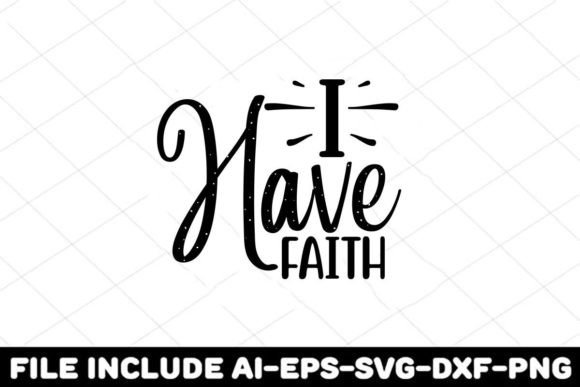
The Faith Svg Design carries a distinct mood that balances modern minimalism with traditional sentiment. In the realm of Crafts and Graphics, faith-based motifs are saturated, so standing out requires clean lines and thoughtful composition. Upon inspection, the layout feels balanced. The typography—if present—or symbolic elements appear structured in a way that suggests stability and calm. This visual personality is crucial because embroidery adds texture and dimension; a cluttered design can quickly become muddy under the needle.
What struck me most was the versatility implied by the editable nature of the files. With access to AI, EPS, SVG, and DXF formats, the design is not locked into a single interpretation. For a designer, this means the ability to adjust proportions before digitizing or to use the vector files for hybrid projects that combine print and stitch. The high-resolution PNG and JPG mockups included allow for quick client previews, which is a significant time-saver for custom apparel businesses.
Real-World Application: The Custom Tote Bag Scenario
To truly evaluate the Faith Svg Design, I mentally placed it into a common production scenario: a custom embroidered canvas tote bag. Tote bags are staples for boutique branding and holiday gifts. The fabric texture of canvas is coarse, which can challenge fine details. However, the bold structure of this design suggests it would hold up well against the weave of heavy cotton or linen.
In this context, the design serves as a focal point. If I were producing this for a client, I would likely opt for a contrasting thread color to ensure the message or symbol pops against the natural fabric tone. The embroidery project would benefit from a satin stitch border if the design includes enclosed shapes, providing a polished look that elevates the perceived value of the handmade product. For a sweatshirt or hoodie, the same design could be scaled down for a left-chest placement, offering a subtle yet meaningful accent that appeals to customers seeking personalized, understated style.
Versatility Across Product Lines
Beyond totes and sweatshirts, this design shows promise in several other categories:
- Baby Embroidery: Softened colors and reduced scale could make this suitable for onesies or baby blankets, provided the stitch density is adjusted to remain gentle on delicate skin.
- Embroidered Patches: The clear outlines make it an excellent candidate for iron-on or sew-on patches, which are popular items for craft fair products.
- Home Decor: Pillow covers and kitchen towels benefit from designs that are easy to read from a distance. The clarity of the Faith Svg Design supports this functional aesthetic.
- Holiday Embroidery: With minor color tweaks, such as incorporating seasonal greens or reds, the design can transition seamlessly into Christmas or Easter gift collections.
Technical Considerations for Stitching
While the vector files (AI, EPS, SVG) are excellent for scaling and editing, it is vital to remember that they are not machine-ready embroidery files unless specified. As an experienced reviewer, I must emphasize the importance of proper digitization. If you are converting these vectors into an applique design or a standard stitch file, pay close attention to stitch density.
For dark fabrics, the background fill becomes critical. If the design relies on negative space, ensure your stabilizer choice prevents the fabric color from bleeding through visually. A cut-away stabilizer is often recommended for garments that will undergo frequent washing, such as t-shirts and baby clothes, to maintain the integrity of the finished product.
When working with stretchy fabrics like jersey knits for t-shirts, test the design on scrap fabric first. The tension of the hoop can distort lightweight materials, causing the design to pucker. Using a proper stabilizer and possibly a topping can mitigate these issues, ensuring the thread colors lay flat and the stitch density does not overwhelm the fabric.
Navigating Challenges and Limitations
No design is universal, and the Faith Svg Design requires careful handling in specific situations. Small hoop sizes, such as 4x4 inches, may constrain the design if it has wide horizontal elements. Always check the dimensions against your machine’s maximum hoop size before committing to a large batch production.
Additionally, tiny lettering or intricate corners can be problematic if the design is scaled down too far. Satin stitches have a maximum width before they become unstable; if any element exceeds this, it should be converted to a fill stitch or broken into smaller segments. For curved surfaces like caps, the design must be digitized with pull compensation in mind to prevent distortion after stitching.
If you plan to use this for commercial embroidery, verify the licensing terms associated with the download. While the package includes editable files, understanding whether you can resell the digital asset itself versus selling physical items made with the design is crucial for legal compliance and professional ethics.
Enhancing Brand Value and Customer Trust
From a business perspective, the quality of your design assets directly impacts customer trust. A clean, well-proportioned design like Faith Svg Design communicates professionalism. When customers see a crisp, well-stitched motif on a personalized gift, they associate that quality with your brand. This leads to higher engagement, repeat purchases, and positive reviews.
Using the included high-quality mockups allows you to present the design effectively on your online store. A realistic preview helps buyers visualize the final product, reducing hesitation and increasing conversion rates. Whether you are an Etsy seller or a local shop owner, presenting your work with polished visuals is half the battle in securing sales.
Final Verdict and Practical Advice
The Faith Svg Design is a robust asset for designers who value flexibility and clarity. Its strength lies in its adaptability across various fabrics and products, from sturdy tote bags to soft baby items. However, success depends on the executor’s attention to technical details.
- Test Before Production: Always stitch out a sample on your intended fabric to check for puckering or thread breaks.
- Contrast is Key: Choose thread colors that contrast sufficiently with the fabric to ensure readability.
- Check Licensing: Confirm usage rights for commercial sales to protect your business.
- Optimize Digitization: If converting from vector, ensure appropriate stitch types (satin, fill, running) are used for each element.
In conclusion, this design fits well within the toolkit of a serious crafter or commercial embroiderer. It offers the raw material needed to create meaningful, high-quality handmade products that resonate with buyers. By approaching it with a designer’s eye for detail and a practitioner’s respect for machine limitations, you can transform this digital file into a standout piece of wearable art or home decor.