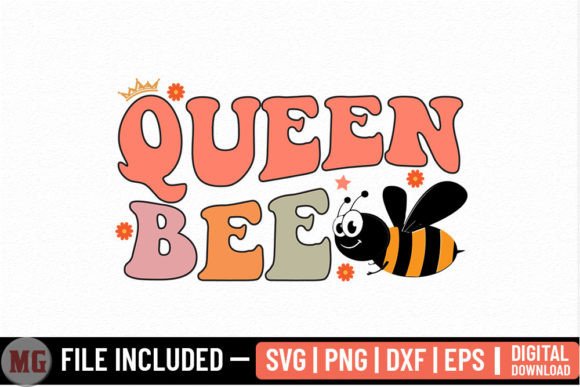
Queen Bee - SVG: A Designer's Take on Real Embroidery Use
When I first opened the folder for Queen Bee - SVG, my immediate reaction wasn't just about the cuteness of the motif; it was about potential. As a designer who spends hours staring at screens before a single thread hits fabric, I look for lines that translate well into stitches. This design, categorized under Crafts and Graphics, offers a versatile starting point, but the real test is how it behaves when converted from a vector path to a physical machine embroidery design. The package includes SVG, PNG, EPS, and DXF formats, which is standard, but for us embroidery folks, the SVG is the gateway to creating custom stitch files that actually work on textured surfaces.
The Visual Personality and First Impressions
The "Queen Bee" theme immediately suggests a mood of industrious charm mixed with a touch of royalty. Visually, these types of graphics often rely on clean curves and distinct shapes to define the wings, stripes, and any accompanying crown or floral elements. In my initial review of the vector layout, the shape language feels friendly and approachable. It lacks overly aggressive angles, which is excellent for embroidery because sharp corners can be tricky to cover smoothly with satin stitch or dense fill stitch areas without puckering.
The level of detail in the source file appears balanced. It isn't so intricate that it demands microscopic precision, nor is it so simple that it looks amateurish on a finished product. For an Etsy seller or a small shop owner, this visual personality is crucial. It speaks to customers looking for handmade warmth rather than mass-produced perfection. When you imagine this as a personalized gift, it carries a narrative of hard work and sweetness, making it ideal for teachers, gardeners, or new mothers.
Real-World Application: The Tote Bag Scenario
To truly evaluate Queen Bee - SVG, I mentally placed it onto a canvas tote bag, a staple item for any craft business. Canvas has a distinct weave and thickness, requiring a design that can sit proudly on top of the texture without getting lost. If I were digitizing this SVG into an embroidery file for a tote, I would lean towards slightly wider satin columns for the outlines to ensure they pop against the rougher fabric texture.
In this scenario, the design works beautifully as a central focal point. Imagine a natural-colored bag with golden yellow and black thread work. The contrast would be striking. However, if you are planning to use this for custom apparel like a lightweight t-shirt, the approach changes. You would need to be mindful of the stitch density. A heavy fill might make the shirt stiff or cause the fabric to pucker around the bee's wings. For a sweatshirt, though, the thicker fabric can handle more density, allowing for a plush, high-quality feel that increases the perceived value of the finished product.
Versatility Across Different Products
The flexibility of this graphic extends beyond bags and shirts. Here is how I see it fitting into various projects:
- Baby Embroidery: Softened color palettes (pastel yellows and soft grays) on a onesie or bib could make this a bestseller for baby showers.
- Embroidered Patch: The defined edges of the bee make it a perfect candidate for a merrow-edge patch, adding a professional touch to jackets or hats.
- Kitchen Towels: A waffle-weave towel with this design adds a whimsical touch to home decor, appealing to those who love cottage-core aesthetics.
- Holiday Embroidery: While not strictly seasonal, pairing the bee with spring flowers or autumn leaves allows it to pivot for different holiday markets.
- Boutique Branding: Small businesses can use this as a logo element on aprons or uniform caps, fostering brand recognition through consistent handmade product presentation.
Technical Considerations and Stitching Challenges
While the SVG format provides clean paths, translating Queen Bee - SVG into stitches requires careful planning. One area needing attention is the wing detail. If the original graphic has very fine lines, converting these directly to running stitches might result in breakage or poor coverage on stretchy fabrics. I recommend testing the design on scrap fabric that matches your final material. This is non-negotiable for maintaining customer trust and professionalism.
Curved surfaces, such as caps, present another challenge. The bee's body is rounded, which generally works well on the front panel of a hat, but you must ensure the hoop size accommodates the design without distorting the curve of the cap. Additionally, if the design includes any tiny lettering (like the word "Queen"), verify that the stroke width is sufficient for the needle size you are using. Tiny text often blurs if the stitch count is too low or the thread tension is off.
Fabric choice plays a massive role here. On dark fabrics, you will need to plan for an underlay or a backing layer to prevent the fabric color from showing through the yellow threads. Conversely, on thin or sheer fabrics, a heavy stabilizer is essential to support the weight of the embroidery and prevent sagging over time, especially for items that will undergo frequent washing.
Enhancing Value and Buyer Engagement
From a business perspective, the aesthetic appeal of Queen Bee - SVG directly influences buyer engagement. A well-executed embroidery project signals quality. When a customer sees clean satin edges and vibrant thread colors, they associate that craftsmanship with the brand. This design has the potential to elevate a simple item into a premium small shop product.
For digital product sellers, offering mockups of this design on various items—like a cozy sweater or a chic tote—can significantly boost sales. Creating printable mockup images that show the texture of the stitches helps buyers visualize the end result, bridging the gap between a digital asset and a tangible good.
Practical Notes for the Maker
Before committing to a production run or listing a new item in your store, consider these practical steps:
- Test First: Always stitch out a sample on the exact fabric you intend to sell. What looks good on cotton might behave differently on polyester blends.
- Check Contrast: Ensure your chosen thread colors provide enough contrast against the fabric background to maintain the design's clarity.
- Review Density: If digitizing yourself, adjust the pull compensation and density to suit the fabric stretch.
- Verify Licensing: Although the file comes ready for use, always double-check the specific license terms regarding commercial sales of finished items versus reselling the digital file itself.
- Mockup Testing: View the design in black and white to ensure the shapes hold up even without color reliance.
In conclusion, Queen Bee - SVG is a solid foundation for a variety of creative endeavors. It balances charm with structural simplicity, making it adaptable for both novice hobbyists and seasoned commercial embroidery professionals. By paying attention to fabric compatibility, stitch techniques, and presentation, you can transform this graphic into a standout piece that resonates with customers and stands the test of time.