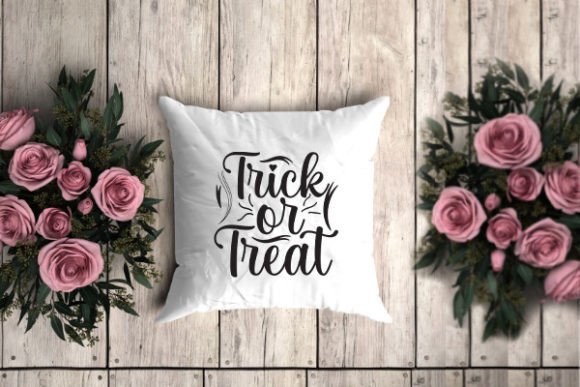
Review: Happy Halloween, Trick or Treat SVG for Embroidery
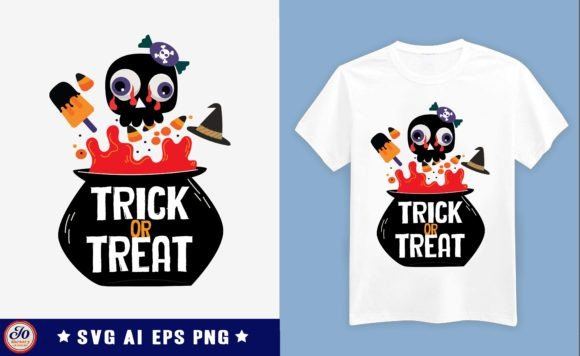
As a designer who spends more time staring at stitch maps than most people spend watching television, I approach every new digital embroidery file with a mix of excitement and skepticism. The market is flooded with seasonal graphics, but finding one that translates well from a screen to a needle-and-thread reality is a different beast entirely. Recently, I got my hands on the Happy Halloween, Trick or Treat Svg File to evaluate its potential for real-world craft business applications. This isn't just about whether it looks cute on a mockup; it is about whether it can withstand the tension of a hoop, the pull of the thread, and the scrutiny of a paying customer.
First Impressions: Mood and Visual Personality
When I first opened the files, the immediate vibe was playful yet classic. Halloween designs often lean too heavily into the grotesque or the overly childish, but this asset strikes a balance that feels appropriate for a wide demographic. The layout suggests a design that relies heavily on clean lines and readable typography, which is crucial for machine embroidery design. In the world of Crafts and Graphics, clarity is king. If a design looks muddy when scaled down, it fails. My initial assessment is that the shapes are distinct enough to handle various thread colors without losing definition. The "spooky night" theme mentioned in the description hints at a atmospheric quality that could look fantastic on dark fabrics, provided the contrast is managed correctly.
Real-World Application: The Tote Bag Test Case
To truly gauge the value of this file, I imagined a specific scenario: a custom order for a local boutique needing a run of limited-edition tote bag design items for October. The client wanted something festive but not so scary that it couldn't be used by children or adults alike. This is where the Happy Halloween, Trick or Treat Svg File shines. Because the source files include editable AI and EPS formats, I have the flexibility to adjust the size before converting it into a stitch file.
For a canvas tote, I would recommend scaling the design to fit a standard 5x7 hoop, ensuring the lettering remains large enough to prevent thread breaks. The concept of a personalized gift often hinges on the perceived quality of the finish. If I were stitching this onto a heavy-duty canvas, the bold nature of the text would hold up well against the fabric texture. However, if this were being applied to a thinner material, like a tea towel or a baby onesie, I would need to be much more conservative with the stitch density. A dense fill stitch on a stretchy knit could cause puckering, ruining the finished product before it even leaves the machine.
Versatility Across Products and Materials
The true test of any design assets is its versatility. Can it work on a cap? What about a sweatshirt embroidery project? The answer lies in the simplification of details. For custom apparel like hoodies, the fuzzy texture of the fleece can sometimes eat up fine details. This design appears robust enough to handle that environment, especially if utilizing a satin stitch border to define the edges against the nap of the fabric.
For baby embroidery, safety and comfort are paramount. I would avoid using this on the back of a garment where it might rub against skin, but as a chest patch on a fall-themed outfit, it works beautifully. The "Trick or Treat" message is universally understood, making it a safe bet for holiday embroidery gifts that need to appeal to a broad audience. Furthermore, for Etsy seller accounts looking to expand their catalog, this graphic offers a quick turnaround for printable mockup creation, allowing sellers to visualize the design on pillows, aprons, or even wall art before committing to production.
Technical Considerations for Stitching
While the vector files (AI, EPS, SVG) provide excellent scalability, the transition to an embroidery file requires careful digitizing decisions. Here are my practical notes for anyone planning to use this design:
- Hoop Size Constraints: Always check the dimensions against your available hoops. If the design is too wide for a standard hoop, you may need to split it or resize it, which could impact the legibility of the text.
- Fabric Selection: On dark fabrics, ensure you are using high-sheen or bright threads to make the "spooky" elements pop. On light fabrics, a darker thread count will provide necessary contrast.
- Stabilizer Choice: For stretchy materials like t-shirts, a cut-away stabilizer is non-negotiable to prevent distortion over time. For woven items like pillow covers, a tear-away might suffice, but test first.
- Detail Inspection: Look closely at the corners of the letters and any graphical icons included. Tiny, sharp corners can be prone to thread bunching if the digitizing isn't crisp.
Commercial Viability and Brand Consistency
For those running a small shop product line, consistency is key to building customer trust. Using a high-quality base graphic like this ensures that every item you sell looks professional. Whether you are creating an embroidered patch to sew onto jackets or applying the design directly to layered garments, the visual appeal directly impacts the perceived value. A clean, well-executed design tells the buyer that you care about quality. Conversely, a design that frays or loses shape after one wash can damage your reputation.
It is also worth noting the licensing aspect. While the product description lists the formats you receive, it does not explicitly detail the commercial license terms. Before listing these as commercial embroidery items on platforms like Etsy or at craft fairs, you must verify the creator's terms regarding resale of finished goods. Assuming the license permits it, this design is a strong candidate for boosting buyer engagement during the autumn season.
Final Verdict for Makers and Designers
In conclusion, the Happy Halloween, Trick or Treat Svg File is a solid addition to a seasonal library. It possesses the right amount of thematic charm without sacrificing the structural integrity needed for stitching. It is particularly well-suited for handmade product creators who need a reliable graphic for holiday gifts or boutique merchandise.
My advice is to treat the vector files as a starting point. Do not assume the default settings will work for every fabric. Run a test stitch-out on scrap material that matches your final product. Check the running stitch lengths and the coverage of any fill stitch areas. If you take the time to refine the digitizing settings to match your specific machine and fabric combination, this design has the potential to become a best-seller in your fall collection. It bridges the gap between digital convenience and tactile craftsmanship, offering a reliable foundation for your next creative embroidery project.