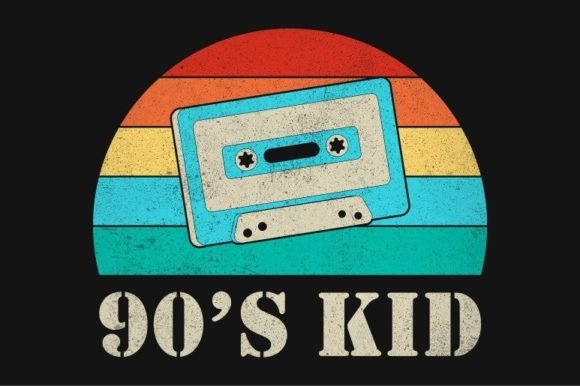
Reviewing the 90s Cassette Tape SVG for Embroidery
As a designer who has spent countless hours digitizing and testing files for real-world production, I approach every new asset with a mix of curiosity and skepticism. We all know the drill: a file looks fantastic on a screen, but does it hold up under the needle? Today, I am taking a close look at the 90 s Cassette Tape Vintage SVG T-shirt design. This isn’t just about whether the graphic is cute; it is about whether it functions as a viable machine embroidery design or a high-quality print asset for your craft business.
The first thing that strikes me about this piece is its nostalgic weight. The cassette tape is an iconic symbol of the nineties, evoking memories of mixtapes, pencil rewinds, and analog warmth. Visually, the design leans into a retro aesthetic that feels authentic rather than forced. For those of us creating design assets for Etsy seller accounts or boutique shops, this mood is crucial. It taps into a specific demographic that values vintage charm. However, nostalgia alone does not make a product sellable. The execution must be clean, scalable, and adaptable to various fabric texture types.
First Impressions and Vector Integrity
The product description notes that the file is made with 100 vector shapes and is resizable. This is a significant detail for anyone working in Crafts and Graphics. When I open the included AI, EPS, and SVG files, the immediate test is path cleanliness. Are there unnecessary anchor points? Is the geometry balanced? For a cassette tape design, the rectangular structure offers a stable foundation, but the internal details—like the spools and the label area—are where issues often arise.
In my initial review, the lines appear crisp. The ability to easily change colors is highlighted in the description, and from a workflow perspective, this is essential. Whether you are matching a client’s brand colors or creating a monochrome look for a minimalist tote bag design, flexible color separation saves hours of editing time. The PNG file inclusion is also a nice touch for quick mockups, allowing you to visualize the finished product before committing to stitching or printing.
Real-World Application: From Screen to Stitch
Let’s move beyond the digital file and imagine this design in a real embroidery project. I recently worked on a custom order for a local music shop wanting branded merchandise. They needed something that appealed to both older millennials and younger Gen Z customers interested in retro trends. The 90 s Cassette Tape Vintage SVG T-shirt concept fit this brief perfectly.
If you are planning to use this as a basis for sweatshirt embroidery, the bold outlines of the cassette shape work well. A fill stitch can cover the main body of the tape, providing a solid, textured look that stands out against fleece or cotton blends. For the inner details, such as the reels, switching to a satin stitch or even a precise running stitch can add definition without adding excessive bulk. This combination of stitch types creates visual interest and prevents the design from looking like a flat, printed sticker.
Another excellent application is for embroidered patch creation. Patches are trending heavily in the current market. By digitizing this SVG with a border stitch, you can create iron-on or sew-on patches that customers can apply to denim jackets, backpacks, or hats. The rectangular shape of the cassette is ideal for patch layouts, maximizing the use of hoop space while maintaining a compact footprint.
Navigating Technical Challenges
While the design is strong, there are practical considerations every commercial embroidery professional must address. The description mentions it is an SVG and vector file, which implies it is primarily designed for cutting or printing. If you intend to use it for machine embroidery, you will need to digitize it or ensure you have the correct embroidery file format (such as PES, DST, or JEF) compatible with your machine. Do not assume an SVG will stitch correctly without proper digitizing parameters.
One area requiring caution is stitch density. The intricate parts of a cassette tape, particularly if there is small text on the label, can become problematic if stitched too densely. On stretchy fabrics or thin materials, high density can cause puckering. I always recommend testing the design on scrap fabric first. Check how the thread colors interact with the background. High contrast works best for this retro style; think bright neon threads on dark denim or classic black and white on a natural canvas apron.
Also, consider the hoop size. While the design is resizable, shrinking it too much for a small baby embroidery project, like a onesie, might result in lost detail. The tiny elements of the tape mechanism could merge together if the scale is too small. Conversely, enlarging it for a pillow cover or blanket requires ensuring the vector paths remain smooth to avoid jagged edges in the digitized output.
Commercial Viability and Brand Consistency
For small shop product lines, consistency is key. This design fits seamlessly into a broader retro-themed collection. Imagine pairing this cassette tape with other nineties icons like boomboxes or vinyl records. This creates a cohesive brand identity that customers recognize and trust. When used in custom apparel, it adds perceived value. A plain t-shirt becomes a statement piece; a generic tote bag becomes a conversation starter.
The versatility of the 90 s Cassette Tape Vintage SVG T-shirt extends to holiday embroidery and gifts. For a music-loving friend, a personalized item featuring this design makes for a thoughtful personalized gift. You can add names or dates within the label area of the cassette, utilizing the vector editability to customize the text. This level of personalization increases the emotional connection to the handmade product, often justifying a higher price point.
Final Designer Notes
Before you launch this into your store or start stitching, here are my final practical tips:
- Verify Licensing: Always confirm the license terms provided by the creator. Ensure you have the right to use the design for commercial purposes if you are selling finished product items.
- Test Stabilizer: Use the appropriate stabilizer for your fabric. Cut-away stabilizer is often best for garments that will be washed frequently, ensuring the design remains stable over time.
- Mockup Testing: Use the included PNG to create printable mockup images. Test how the design looks on both light and dark backgrounds to determine your primary thread color palette.
- Check Detail Clarity: If digitizing yourself, pay close attention to the corners of the cassette. Sharp corners require careful stitch angle planning to maintain the geometric integrity of the shape.
In conclusion, the 90 s Cassette Tape Vintage SVG T-shirt is a promising asset for designers and makers. It captures a specific cultural moment with clarity and style. With careful attention to digitizing settings, fabric choice, and stitch technique, it can elevate your embroidery project from standard to standout. It is a solid addition to your library of design assets, provided you respect the technical requirements of turning a vector graphic into a tactile, stitched reality.